

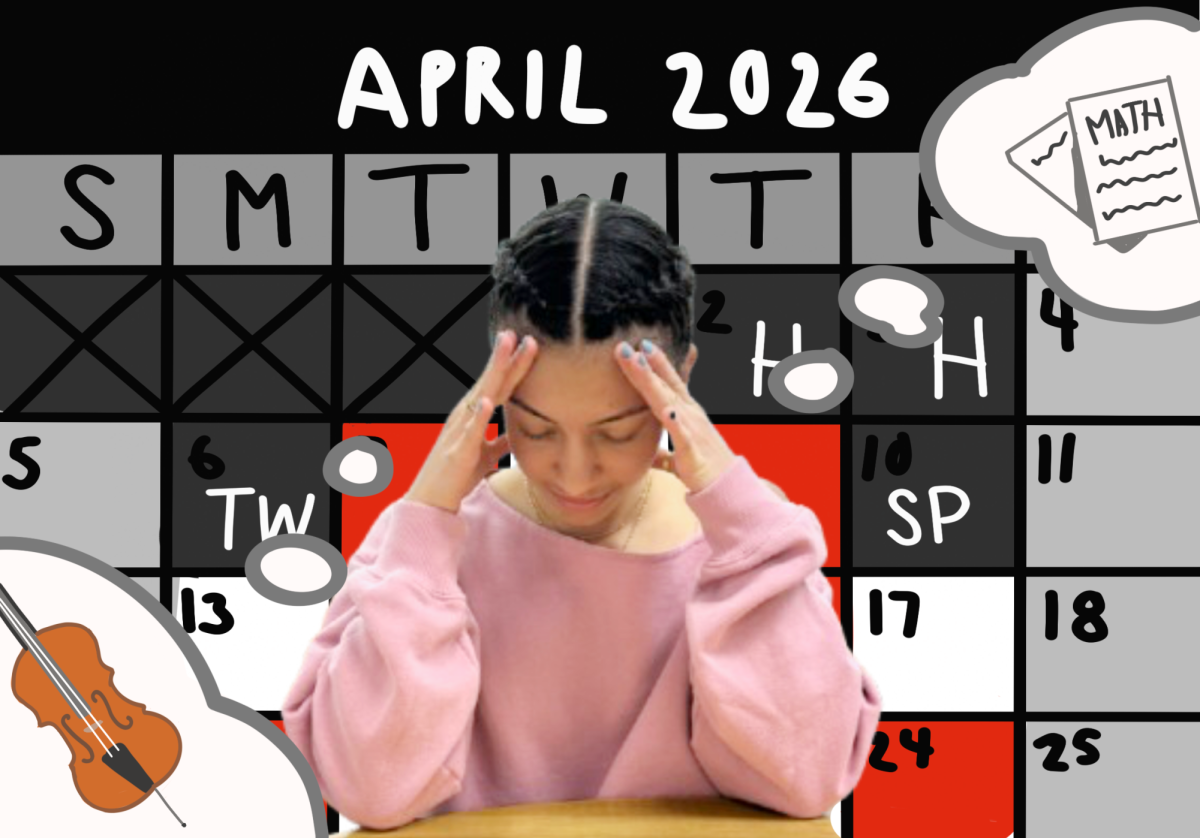
Thousands of students will see their calendar rewritten as Fairfax County Public Schools (FCPS) begin to weigh concerns on instructional time and childcare.
On April 10, FCPS board members voted to adapt the 2026-2027 school year calendar in response to conc

erned parents who communicated their disagreement with the number of student holidays and early releases throughout this school year. In order to resolve this issue, Veterans Day and Indigenous People’s Day were proposed to be cut as student holidays. The majority voted to cut Veterans Day and keep Indigenous People’s Day a student holiday. Additionally, the number of elementary school 3-hour Wednesday early release days will reduce to 8 from the current 12.
According to FFXnow, “FCPS supports a school calendar that prioritizes teaching and learning and exceeds state required instructional hours as we continue to provide a world class education for students.”
Despite the change, students will be in school more overall next year. While not voted on, the number of other student holidays, including religious observances, Thanksgiving, winter and spring breaks, along with teacher work days and staff development will decrease too. From this year to next, student holidays will decrease from 30 to 27 and teacher work days/staff development days from 11 to 7. The four two-hour early releases at the end of each quarter and last day of school remain.
Arguments to increase the number of five-day school weeks, which currently make up 52% of school weeks this year, hold that frequent breaks decrease student focus in school and inconsistency negatively impacts student learning habits; however, many students, especially those who have more rigorous course loads, actually find them quite helpful.
“I like having a bunch of breaks because when I get them, I spend about the first half of my break trying to finish any work I haven’t done so I can actually relax after,” junior Jacqueline Dinh said. “I like having a lot of those breaks throughout the year because it motivates me to get through the week.”
Similarly, breaks give teachers more time to plan high-quality lessons, grade and spend more time giving personalized feedback to students.
“I would vote to keep the calendar the same. It does seem like a lot of days off, but I like having some three or four day weeks built into the schedule,” English teacher Jasmine Welgoss said.
Along with being a teacher, Welgoss is the mother of a 4th grader and a 6th grader, who are able to go to School Age Child Care in the mornings and take the bus home so Welgoss and her husband, who is also a teacher, can make it to school on time and leave when they need.
Not all families are as fortunate, though. Welgoss emphasizes that the current calendar disrupts parents’ work hours if they only have the option of Kiss-and-Ride or walking to get their kids to and from school. It also puts a financial burden on families with younger children who need to pay for extra childcare.
However, teachers and families alike have shown concern that removing days off during the year hasn’t shortened FCPS’ long school year. When, in 2019, legislators voted that FCPS could start school two weeks before Labor Day if they gave students the holiday off along with the Friday the week before, FCPS board members have never moved up the last day of school in the calendar, leaving FCPS with the longest school year of surrounding counties.
The issue runs deeper than just wanting a longer summer break though—for IB teachers their instruction essentially ends in late-April because IB exams are set. It then makes it difficult to create lesson plans after exams when all content has been taught.
“Even if the school year extends past [exams, which end in mid-May], we’re still getting less instructional time leading into that. If coming in for more full weeks would reduce the time after all those exams, I think it would be helpful for everybody,” Environmental Systems and Societies teacher Kathleen McNamee said.
McNamee also points to the disruption caused by extreme weather this year, closing FCPS schools and offices for five days in addition to six two-hour delays and one three-hour early release. Unexpected weather disruptions lead to teachers having to cut material or reduce the complexity at which they teach it, which impacts students’ success.
“When we do have to make some of these cuts, I think we feel a little bit rushed, and I think sometimes that translates to the students feeling like they’re rushed. It is, I think, a little frustrating for everybody,” McNamee said.
According to Hersh, the inconsistency this year is starting to negatively impact student’s grades too, especially those who already regularly struggle with attendance. Welgoss also confirms that her seniors and students who don’t have much support and increased responsibilities at home are finding it difficult to keep up this year, putting graduation on the line.
Nevertheless, Welgoss acknowledges that students can succeed despite the frequent breaks: “Kids need to work on their academics outside of school if they can. Students with parent support need
to be able to work on skills like reading and writing (and math or science, even art) at home, even when they are not at school,” she said.
Though the changes to the calendar won’t solve every issue in the book, they might be the step needed to find a system that works better for everyone.